
Galaxy Office Automation

Tomorrow’s Forecast: Cloudy With A 90% Chance Of Containers

Tomorrow’s Forecast: Cloudy With A 90% Chance Of Containers

Remember the old days—back in late 2018—when your biggest question was whether a particular workload should live in the public cloud or in your data center? Today, the industry is moving quickly toward containerized, cloud native applications running in hybrid and multi-cloud environments. The same app is often distributed across multiple locations. The challenge of managing modern distributed apps across multiple clouds is real and made more challenging today by the use of Kubernetes services across private cloud and public cloud providers.

Data centers continue to be critical for organizations’ IT operations, and organizations are looking for their data centers to operate similarly to public cloud experiences. The challenge is simplifying the process of managing one’s entire IT estate—across public and private clouds—filled with different management interfaces and traditional and modern applications shared across multiple clouds. The best solution to this challenge is a consistent hybrid cloud approach, and advancements announced today by VMware and Dell Technologies are making today’s hybrid cloud even better.

VMware unveils the future of modern applications in a hybrid cloud world

Modern apps are essential to the future of every business. They are at the core of digital transformation. It’s these software investments that will define the future of all customer interactions, drive the exponential growth in revenue required to drive global markets, and reshape how we leverage data for untapped insights. Being able to deliver these applications at speed is a foundational capability for organizations looking to build and maintain competitive differentiation.

To address this growing need, VMware today has announced details of two groundbreaking new offers—VMware Tanzu, a portfolio of products enabling customers to build, run and manage modern apps in a multi-cloud environment; and VMware Cloud Foundation 4, which includes the new VMware vSphere 7 release that has been rearchitected to run Kubernetes and virtualized apps side by side at scale. Dell Technologies and VMware are “all in” to offer the industry’s best solutions to support our customers as they modernize both their apps and their businesses.

We can’t say that last bit too loud or too often. When our customers say they are going cloud native, they often have hundreds or thousands of apps that need to be replatformed. This can be incredibly disruptive to innovation and dangerous to the stability of their operation. With VMware’s announcement, supported in tight partnership with Dell Technologies infrastructure and services, you can modernize your applications at your own pace and with significantly lower risk.

Dell Technologies helps you power modern applications on any cloud with the industry’s broadest VMware-integrated portfolio

Organizations today are supporting both traditional and cloud native apps but struggle to do so effectively together and across their IT estate—private clouds, public clouds and edge locations. According to a recent Enterprise Strategy Group report, 78 percent of senior technology decision-makers at midsize and large companies say they think cloud management consistency would boost efficiency, but only five percent reported having it. This is precisely where Dell Technologies is best suited to assist.

Dell Technologies Cloud Platform (VMware Cloud Foundation on VxRail), delivers a simple and direct path to modern applications. To accelerate your move to containers and a hybrid cloud operating model, Dell Technologies offers unique integration between VMware Cloud Foundation (VCF) and VxRail that supports simultaneous VM and container-based workloads on industry-leading Dell EMC PowerEdge servers and Dell EMC Storage across multiple cloud environments.

Dell Technologies Cloud Platform also delivers the fastest path to hybrid cloud. Dell Technologies Cloud Platform with VxRail—the only jointly engineered HCI system with deep VMware Cloud Foundation integration—now delivers Kubernetes at cloud scale and at cloud speed. With our synchronous release commitment for VxRail, customers can run Kubernetes on Dell Technologies Cloud Platform with vSphere 7.0 within 30 days of VMware general availability. Customers also can choose Dell Technologies Cloud Validated Designs with same-day general availability for PowerEdge servers. Through both options, Dell Technologies ensures that IT is able to empower developers with rapid access to the latest technologies for modern applications.

Additionally, with Dell Technologies on Demand, we offer flexible consumption-based pricing and as-a-Service managed cloud experience for your on-premises data center. This also includes our ProDeploy and managed services to make implementation seamless and ProSupport services, with more than 1,900 global VMware certifications, to help ensure high availability and optimal performance.

Data drives your modern applications in the hybrid cloud

Alongside containers, data plays a central role in this new multi-cloud world. Imagine the horror of building out a new cloud native app and deploying it seamlessly across multiple clouds…only to have everything fail because the data required to support the application isn’t available in all the necessary locations. You can either update your resume, or you can learn about the awesome data management features that are built into Dell Technologies’ hardware stack. Check out our Dell Technologies Cloud Validated Designs, which allow you to consume Dell EMC Unity XT and Dell EMC PowerMax storage as part of the Dell Technologies Cloud. These storage platforms are integrated with VMware Cloud Foundation, vSphere with Kubernetes, and the VMware automation and orchestration tools. Dell Technologies is also the first vendor to qualify external NFS and Fibre Channel (FC) Storage solutions for VMware Cloud Foundation workload domains.

We’ve got you covered with flexible and consistent data management features, replication between environments, intrinsic security across the VM/container and hardware stack, and the Dell EMC PowerProtect Data Manager for Kubernetes to protect both your traditional workloads and your modern applications.

When you need to operate a dynamic, secure environment with assured access to your data, when and where it’s needed, there’s no better partner than Dell Technologies. We’ll help you ensure that your modern apps continue to run across the multicloud without interruption.

Source: https://blog.dellemc.com/en-us/tomorrows-forecast-cloudy-with-90-chance-of-containers/

FOR A FREE CONSULTATION, PLEASE CONTACT US.
Workspace One Vs VPN

Workspace One Vs VPN

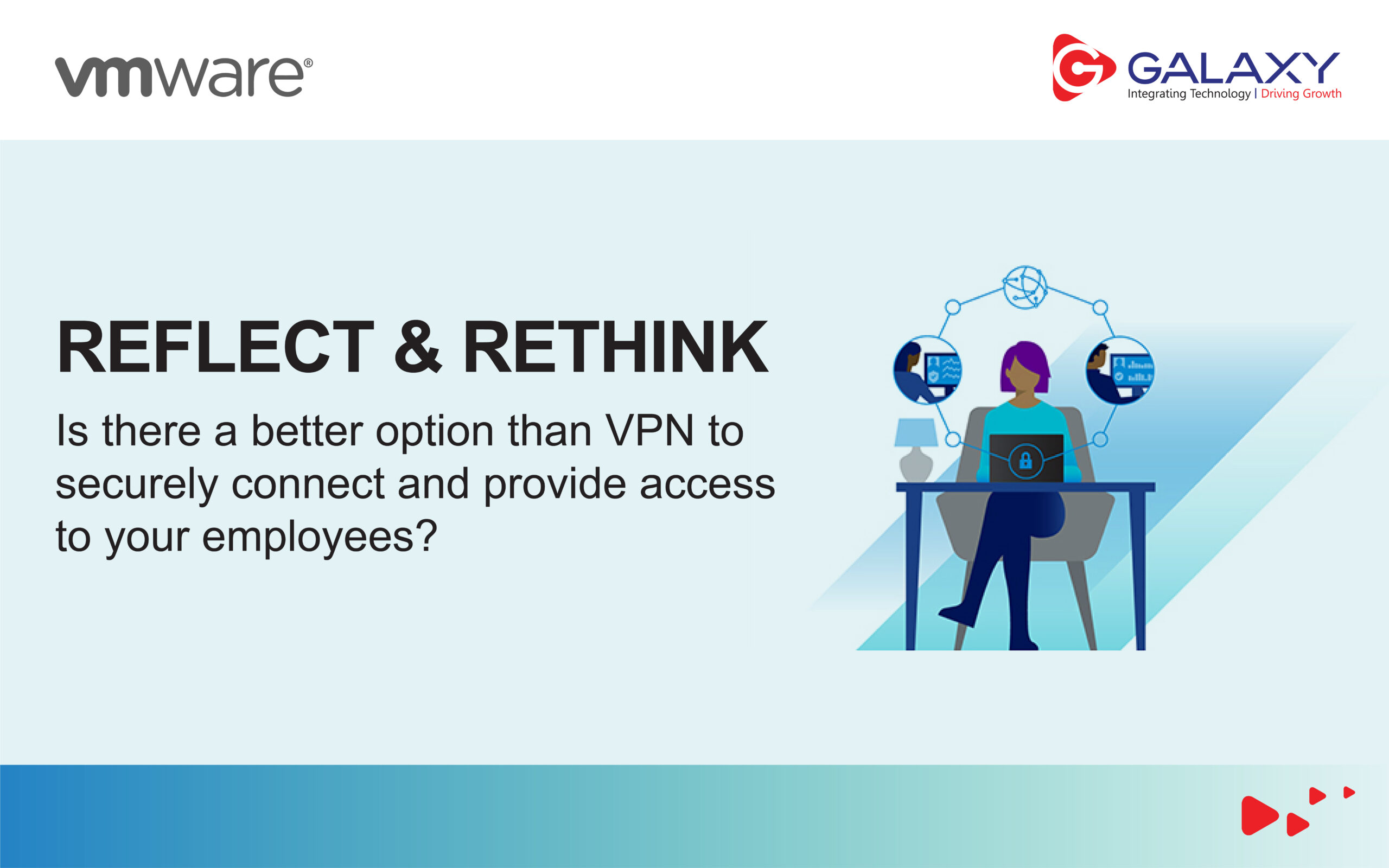
Organizations across the globe are becoming technology driven to remain productive in this current situation. To ensure your business can continue normal operations, you need to enable your employees to work remotely and maintain productivity, increase connectivity, and provide for continuous, secure access to applications across endpoints.

VPNs fall short in addressing your requirement when employees are working from home and possibly the new workspace norm for an increased number of your workforce in the post covid era.

While VPNs are used as a remote access solution, it has some huge shortcoming:

VPN:

  • Unmanaged Devices connecting via VPN is like Ticking Timebomb from security perspective as entire Datacentre gets exposed to Cyber-attacks.
  • Most of the VPNs cause the entire device traffic to go through the VPN Tunnel, thus causing unnecessary bandwidth utilization.
  • With VPNs, there is almost no centralized remote management – you cannot deploy, monitor, and manage all of your connections from a single place.
  • Corporate Apps and Data are accessible on non-compliant devices.
  • VPN Gateways are Expensive as they usually use IPSec, which is the most expensive type of Gateway.

Workspace ONE:

  • Enables Modern Management for PCs/laptop/Mobile devices (Patching, Configuration, Group Policies, Asset details etc).
  • In-Built Per-App VPN & Multifactor Authentication (MFA) which limits attack surface of corporate datacenter and increases identity protection.
  • Simplifies App Access, Application delivery and Management across any network through a single console.
  • Software application delivery, can help remediate “Ransomware” attacks by delivering EDR, DLP solutions to all endpoints
  • Cloud delivered instantly with “Zero” Capex for any on-prem hardware

From the management, performance, and security perspective, we simply can’t trust something that might have worked years ago. Instead, you need a modern digital workspace platform that simply and securely delivers and manages any app on any device by integrating access control, application management and multi-platform endpoint management.

For more information download the eBook: https://bit.ly/3fNzN31

FOR A FREE CONSULTATION, PLEASE CONTACT US.
HCI At The Extreme Edge

HCI At The Extreme Edge

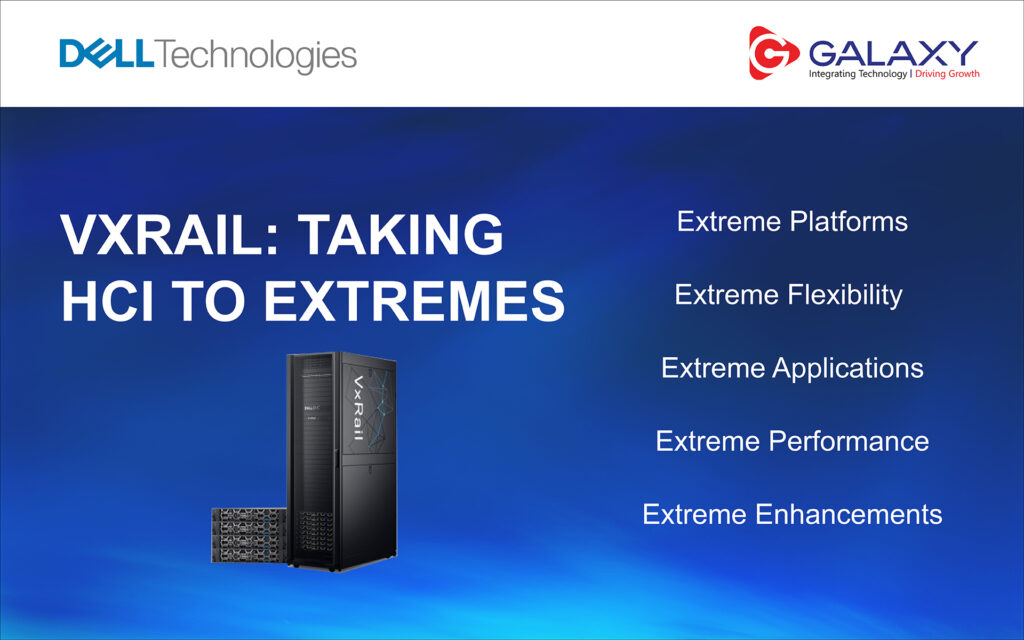
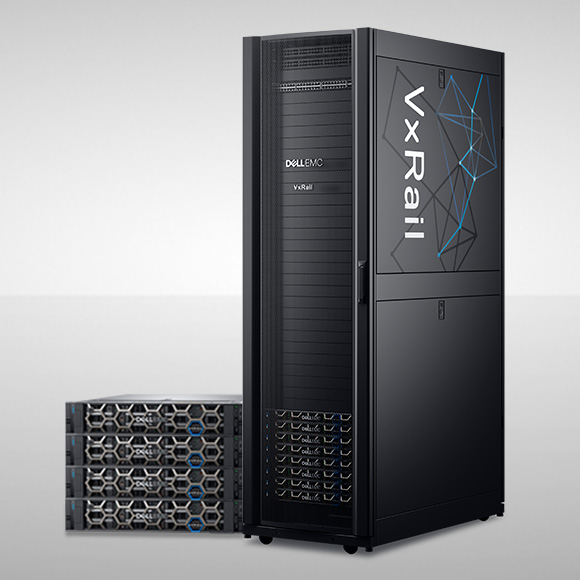
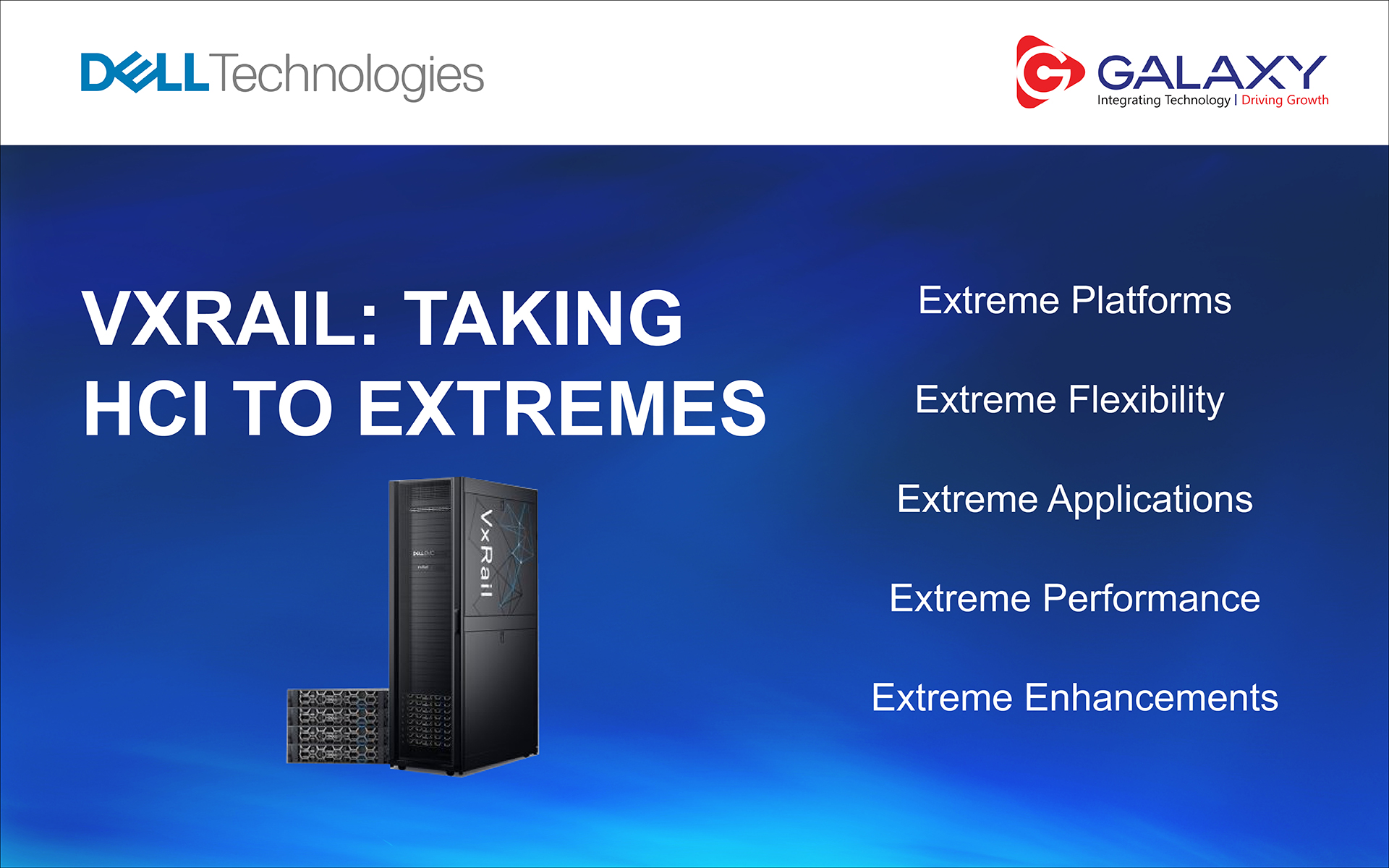
Dell Technologies are introducing two new platforms to meet the demand for more compute, performance, storage and more importantly operational simplicity- at the edge and remote locations. First, they are excited to announce a brand-new Dell EMC VxRail Series – the most extreme yet – the D Series. The D560/D560F is a ruggedized, durable platform that delivers the full power of VxRail for workloads at the edge, in challenging environments, or for space-constrained areas. ​

Bottom line, you can’t just put a device built for a data center in extremely harsh environments — from manufacturing plants to oil rigs to submarines — in remote locations where dust is blowing or in sub-zero temps, and expect it to operate. They have built the D-series to go to the extremes — extreme heat, extreme cold, extreme altitudes — so customers can get the power and simplicity of VxRail no matter where they need it.

  • Resilience to extreme heat, sand, dust and vibration​ – VxRail D Series is certified to take heat up to 45C/113F and can even go up to 55C/131F for up to 8 hours, and have a certified cold start down to -15C/5F
  • Light-weight, short depth, durable form factor that allows for flexible deployment options​ — at only 20” deep, it’s their smallest form factor
  • Rugged build and rigid cover to withstand sudden shocks ​– certified to withstand 40G of operational shock and for operation at up to 15K feet of elevation

Providing even more platform flexibility, they are also announcing a new VxRail E Series model based on, for the first time, AMD EPYC processors. The single socket, 1U nodes offer dual socket performance making them ideal platforms for desktop VDI, analytics and computer aided design. As their second lightest and second shortest depth chassis (only the D560 is lighter weight and shorter depth) with a high efficiency dual redundant power sipping 550W power supply, this an ideal option for edge deployments.

Extreme Performance and Operational Efficiencies

More than ever, new workloads require extreme IO and graphics performance, and they continue to provide new ecosystem options to meet those demands while at the same time continuously enhancing VxRail HCI System Software to deliver extreme operational simplicity.

The addition of Intel® Optane™ DC Persistent Memory to the E560 and P570 platforms offers high performance and significantly increased memory capacity with data persistence at an affordable price. VxRail is the first, fully integrated VMware HCI system to support Intel’s new groundbreaking technology innovation, Intel Optane persistent memory.

Dell’s testing showed VxRail with Intel Optane persistent memory in app direct mode delivers 90 percent lower latency and 6x higher IOPs for small I/O workloads compared to those same VxRail models with NVMe, making it ideal for in-memory intensive workloads and use cases such as SAP HANA.

They have also added the latest NVIDIA® Quadro RTX™ 6000 and 8000 GPUs to the V570F bringing the most significant advancement in computer graphics in over a decade to professional workflows. Designers and artists across industries can now expand the boundary of what’s possible, working with the largest and most complex graphics rendering, deep learning, and visual computing workloads.

VxRail continues to set the pace in delivering operational simplicity with HCI System Software, the core differentiation of VxRail regardless of your workload or platform choice. Their integrated, value added software extends VMware native capabilities to deliver a seamless, automated, operational experience, including automated  full stack lifecycle management that keeps the infrastructure in continuously validated states to ensure workloads are consistently up and running. In the latest software release supporting vSphere 6.x – VxRail 4.7.510 – continue to add new automation and self-service features enabling customers to schedule and run upgrade health checks in advance of upgrades to ensure clusters are in a ready state for the next upgrade or patch, and offer more flexibility in getting all nodes or clusters to a common release level.

Extending the Dell Technologies Cloud Platform to New Extremes

This launch is jam-packed. In addition to new platforms, the Dell Tech Cloud Platform, VMware Cloud Foundation on VxRail, now enables extreme simplicity so IT can enable developers of modern applications and extreme flexibility with an entry level cloud configuration.

Furthering their commitment to supporting the latest VMware technologies, customers can now run vSphere Kubernetes on the Dell Tech Cloud Platform, VMware Cloud Foundation 4.0 on VxRail 7.0.

VMware recently introduced the highly anticipated vSphere 7.0. In keeping with the synchronous release commitment, they have introduced VxRail 7.0 with support for vSphere 7.0 in late April – within 30 days of VMware’s release. VCF 4.0 on VxRail 7.0 delivers a simple and direct path to Kubernetes at cloud scale with one complete automated platform. Unique integration across the stack enables developers and operators to quickly and easily support modern application development with infrastructure managed as a single automated private cloud.

Additionally, VCF 4.0 networking advancements have made it easier than ever to get started with hybrid cloud. With a more accessible Consolidated Architecture, Dell Technologies Cloud Platform can now be deployed starting with a 4-node configuration, lowering the cost of entry level hybrid cloud.

Enabling IT to Deliver Extreme Results

Whether you are accelerating data center modernization, extending HCI to harsh edge environments or deploying an on premises Dell Tech Cloud platform to create a developer-ready Kubernetes infrastructure, VxRail delivers a turnkey experience, extensive platform configuration options, automation, orchestration and consistent hybrid cloud operations to address the broadest range of traditional and modern workloads across the core, edge and cloud- taking HCI to Extremes.

Source: https://blog.dellemc.com/en-us/taking-hci-to-extremes/

FOR A FREE CONSULTATION, PLEASE CONTACT US.
Privileged Identity Manager

Privileged Identity Manager

SECURING LEADING INDIAN CONGLOMERATE

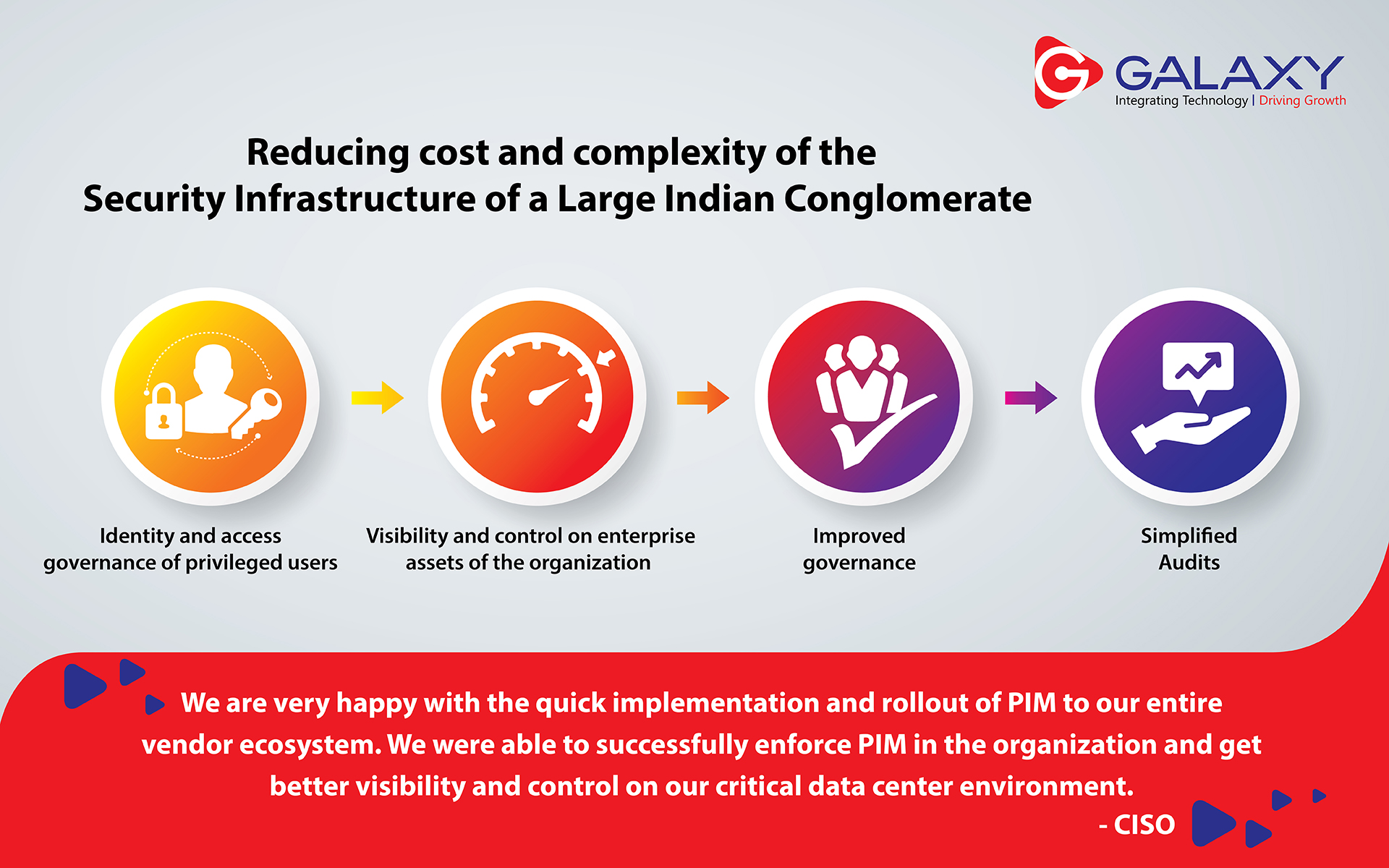
What’s the best way to reduce cost and complexity of the security infrastructure of a large conglomerate with multiple business verticals? Probably, by implementing a robust, comprehensive Privileged Identity Manager – which is exactly what Iraje PIM did for one of India’s leading conglomerates with operations in sectors as diverse as real estate, consumer products, industrial engineering, appliances, furniture, security and agricultural products.

As large and diverse as their organization may be, the client had centralised infrastructure managed by multiple vendors remotely. Given the scenario, managing and protecting critical information was a challenge, security threats were looming large and the client was unable to get visibility on their IT operations.

Iraje PIM offered them a solution that helps them manage multiple vendors spread across geographies and get visibility and control on their privileged accesses. Across-the-board implementation covering all vendors in multiple locations was done in a quick span of 2 weeks, which enabled the client to manage multiple vendors across multiple locations. What is more, the client showed significant ROI by reducing resources required to manage the infrastructure.

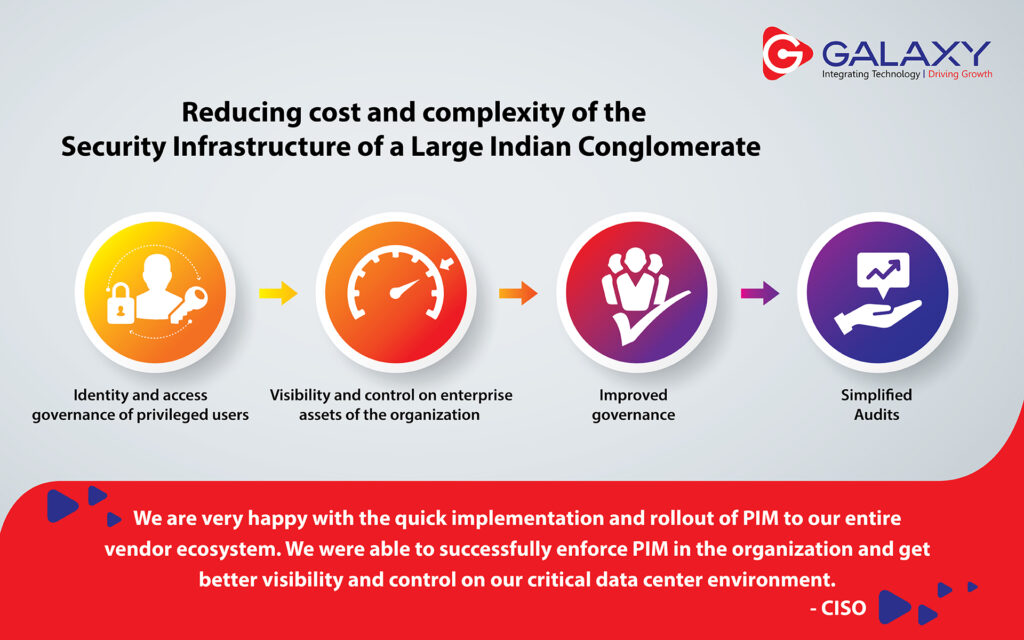
“We are very happy with the quick implementation and rollout of PIM to our entire vendor ecosystem. We were able to successfully enforce PIM in the organization and get better visibility and control on our critical data-center environment. “- CISO

FOR A FREE CONSULTATION, PLEASE FILL THIS FORM TO CONTACT US.

Software-Defined Networking

Software-Defined Networking

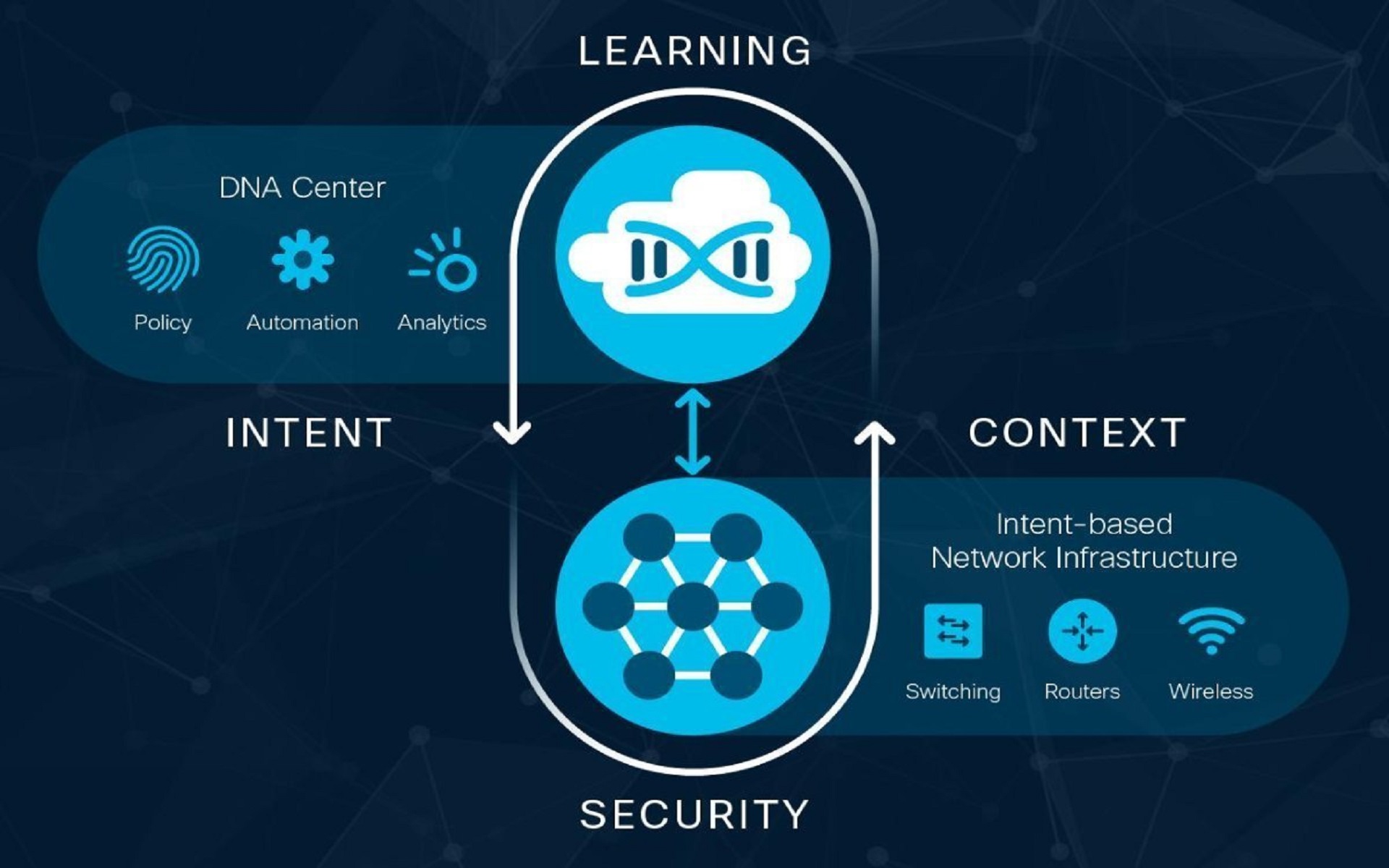
A common question we receive is: “What is the relationship of software-defined networking (SDN) to intent-based networking?”  In this blog we:

  • Compare the model of SDN with intent-based networking: How are they different? What should you know?
  • Share our point-of-view about why this differentiation ultimately matters to our customers.

What is SDN?

Software defined networking (SDN) developed out of the need to automate, scale and optimize networking for applications that may be provided either via an enterprise datacenter, a Virtual Private Cloud (VPC), or as-a-service (public cloud).

We view SDN as a centralized approach to the management of network infrastructure. SDN provides a number of important benefits for network and IT operators through controller-enabled, network visibility and automation including:

  • Ability to programmatically automate network configurations, increasing scalability and reliability
  • Increased flexibility and agility for changing the network operation to enable an application or address a task.
  • Centralized visibility of the network topology, network elements and their operation across the network infrastructure.

Beyond automation: What are the limits of SDN?

While software-defined networks (SDNs) have largely automated the process of network management, organizations now require even greater capabilities from their networks in order to manage their own digital transformation.

For example, IT teams should expect:

  • Automated translation of business polices to IT (security and compliance) policies
  • Automated deployment of these policies
  • Assurance that if the network is not providing the requested policies, they will receive proactive notification.

These are some of the motivations for moving beyond SDN towards intent-based networking.

How intent-based networking builds on SDN

SDN is a foundational building block of intent-based networking. The good news for SDN practictioners is that intent-based networking addresses SDN’s shortfalls. Intent-based networking adds context, learning and assurance capabilities, by tightly coupling policy with intent.

“Intent” enables the expression of both business purpose and network context through abstractions, which are then translated to achieve the desired outcome for network management.  Whereas, SDN is purposely focused on instantiating change in network functions.

In our previous post we introduced the three foundational elements of intent-based networking: translation, activation and assurance.

  • The translation element enables the operator to focus on “what” they want to accomplish, and not “how” they want to accomplish it. The translation element takes the desired intent and translates it to associated network policies and security policies.  Before applying these new policies, the system checks if these policies are consistent with the already deployed policies or if they will cause any inconsistencies.
  • Once approved, the new policies are then activated (automatically deployed across the network).
  • With assurance, an intent-based network performs continuous verification that the network is operating as intended. Any discrepancies are identified; root-cause analysis can recommend fixes to the network operator. The operator can then “accept” the recommended fixes to be automatically applied, before another cycle of verification.

What’s the outcome?

The expanded capabilities of intent-based networking over SDN provide operators with greater flexibility in how to act:

  • Firstly, closed-loop feedback is critical to the operational success of intent-based networking.
  • Secondly, assurance does not occur at discrete times in an intent-based network. Continuous verification is essential since the state of the network is constantly changing. Continuous verification assures network performance and reliability.
  • Finally, if a problem occurs and a recommended fix has been identified, the operator can choose how recommended fixes are applied (depending on the user’s specified policy for that type of fix and the context of the problem), for example: routed to an administrator for “review and approval”, inserted into a ticketing system, or even automatically applied.

In summary, intent-based networking augments SDN, by delivering the network agility that organizations require to accelerate their digital transformation. By adding important capabilities, such as translation and assurance, a closed loop intent-based networking platform helps IT deliver continuous agility, reliability and security to significantly improve IT and business outcomes.

Source: https://blogs.cisco.com/analytics-automation/why-is-intent-based-networking-good-news-for-software-defined-networking

* CISCO is a trademark of CISCO corporation, USA.

FOR A FREE CONSULTATION, PLEASE FILL THIS FORM TO CONTACT US.

Dell VRTX Solution VMware VSphere

Dell VRTX Solution VMware VSphere

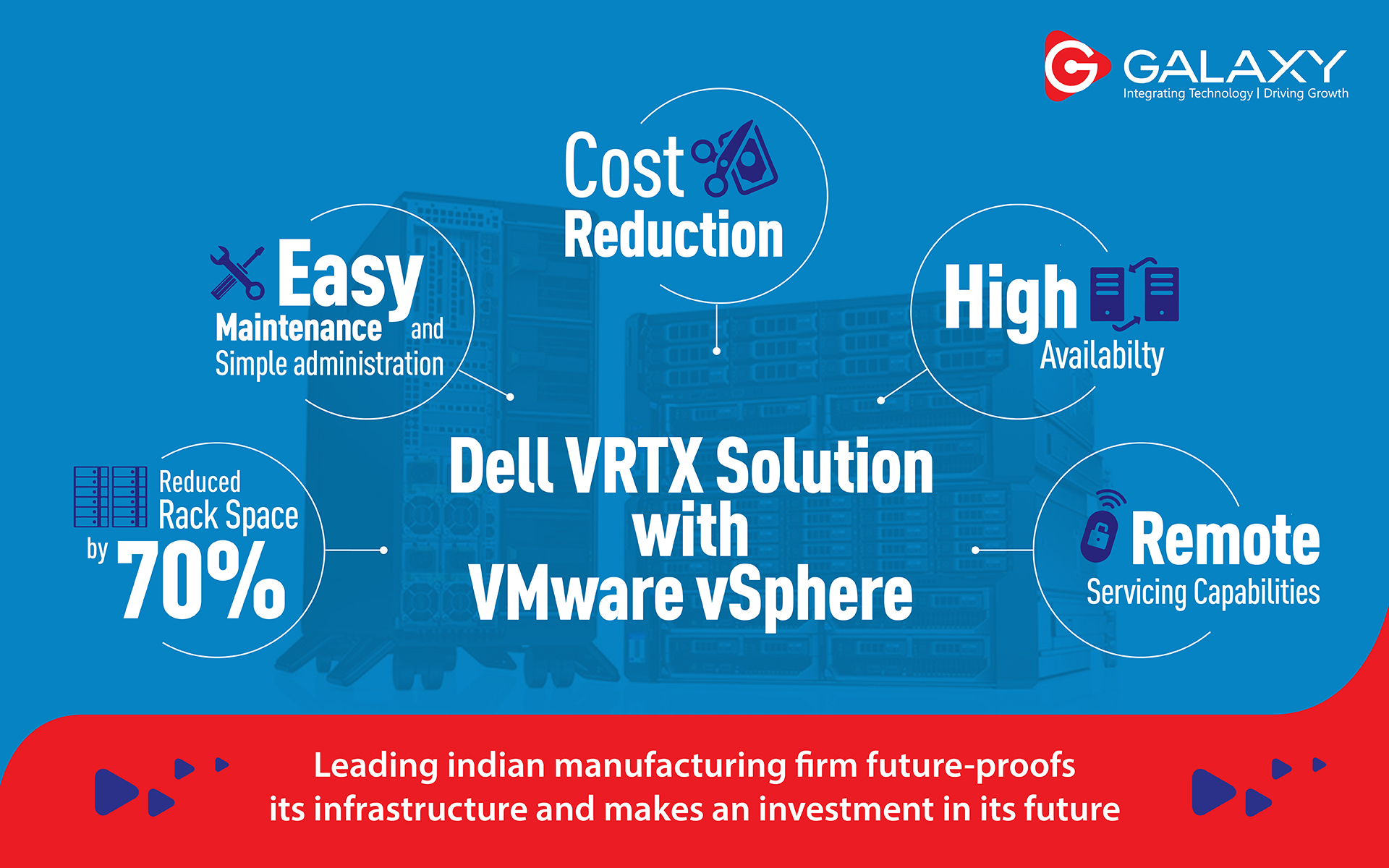
LEADING INDIAN MANUFACTURING FIRM FUTURE-PROOFS ITS INFRASTRUCTURE AND MAKES AN INVESTMENT IN ITS FUTURE

The customer is a leading manufacturing company in India, ranked among the world’s best regarded firms compiled by Forbes. With its storage & network systems reaching end of life, the client was keen on refreshing the DC Equipment at their Plant in Ganjam, Odisha.

Following were the challenges present:

  • Provide a simple and robust solution with reduced IT management & administration effort
  • Reduce rack space requirements at Client’s Datacenter
  • Have new services up and running while ensuring minimum downtime and maintaining a Business Continuity Plan
  • Work on limited timelines to implement the new solution

New Solution Deployment:

Galaxy along with Dell proposed VMware Virtualization solution on Dell VRTX chassis and Blade servers. The proposed solution not only meets the client’s existing storage needs, but will also continue to create value for years to come.

Dell VRTX Solution is a unique offering from Dell for Datacenters of the Client’s ROBOs that create and use Data. Dell VRTX is built of customizable modules of compute, storage & networking while being tightly integrated with VMware vSphere, providing one complete solution in a Box.  Alongside the VRTX, Galaxy also proposed Dell EMC DPS solution for Data Backup.

Senior Technical personnel from Galaxy provided HLD / LLD & Implementation of the solution based on Customer’s requirement within 15 days.

Customer Benefits:

  • The new virtual environment has enabled the Client to reduce rack/floor storage space by 70 %
  • Considerable cost-reduction benefits through easy maintenance and simple administration
  • Reduced complexity of integration with different Hardware / Software components
  • Increased productivity as solution is very high in availability
  • Remote service capabilities with a single vendor for call logging and breakdown if any.

FOR A FREE CONSULTATION, PLEASE FILL THIS FORM TO CONTACT US.

BOTS As Employees, Busting The Myth

BOTS As Employees, Busting The Myth

BOTS AS EMPLOYEES, BUSTING THE MYTH

Digital technology is the latest buzz in the market… what if we at Galaxy, go one step further and say “if we could provide Digital Employees” for your organization.

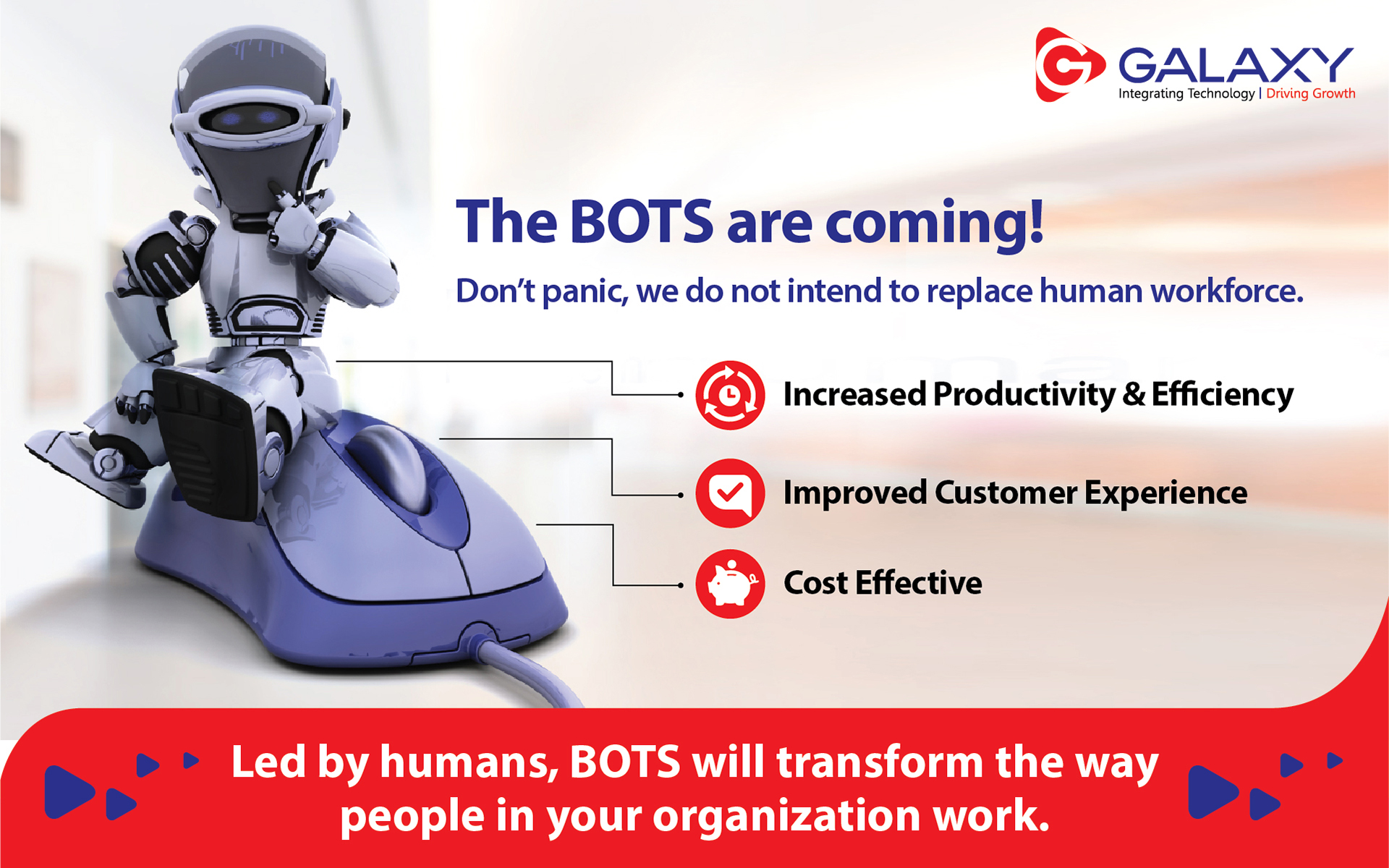
Don’t panic, we do not intend to replace human workforce – instead we want to create an eco-system wherein digital employees could work as a helping hand to human employees.

Surprised? How can this be possible? What are the processes/tasks that Digital Employees can perform? So here it goes – any tasks/process that is repetitive in nature, has a sequence/workflow associated with it and is high in volume, can be completely automated using software bots or like we call – Digital employees. This could form as eligibility criteria for any tasks/process

Sounds good, but why should I use Digital Employees ? This is a genuine question and answer is ? Digital Employees can perform almost any task – at a fraction of the cost, at much faster rates with almost zero error rate – needless to say all how this could boost business..

Next obvious question is how can we create these Digital Employees (Bots)? Is this a complex process? Can a business user do it without being dependent on IT Team?

The answer is YES. The platform which we provide is very user friendly and has most of the features in drag and drop manner. All the business user has to do – is apply this drag and drop feature as per the business logic. An example to further clarify – sales user can create a Digital Employee (bot) which could do following activity

  • Login to CRM application
  • Read an excel file that contains data on leads (say 50 records daily)
  • Insert excel file leads into CRM application one by one
  • Extract a report from CRM application of all leads entered
  • Send an of extracted email to senior manager

Imagine the above use case for field sales in banks – wherein on an average the Sales team size is 2000+ and all the sales resources must do this activity on daily basis and that too manually. Digital

Employee can remove these manual/repetitive tasks/process and save lot of productive hours for these Sales Representatives. All of this, without involving the IT Team.

This was just one use case – you could consider any task/process(basis eligibility criteria defined earlier) in the organization and create a Digital Employee to perform those processes. Thus, we provide a platform which creates Digital Employees. The common terminology used in industry to define this platform is Robotic Process Automation i.e. RPA

I hope you are able to co-relate these three terms now i.e. Digital Employee – Bots – RPA.

RPA has wide range of usage and is industry independent i.e it can be used in Banking, Insurance, Pharma, Telecom, Retail etc. Also, within as industry RPA can be applied to any teams such HR, Sales, Accounts, Operations, Support etc

How to start with RPA ? At first, you can identify all processes across multiple teams which could be considered for RPA. Do a feasibility check with Galaxy to qualify the process for RPA and then start off with project. This would be useful for organization which is large and has a team which can dedicatedly work with multiple teams to evaluate processes for RPA.

Alternatively, for smaller and mid size organization, Galaxy would recommend to start small i.e. identify one or two process and start off with the project. Once the usage of RPA is familiar, other teams would gradually understand the benefits of RPA and other processes could be taken up. Interestingly, this methodology was also used by one large international bank wherein started off with small number of process with 10 bots in the environment and gradually over a period of year they reached upto 2500 bots in the environment.

Blog Credit – Robin George – Sales Specialist – Mobility and Automation, Galaxy Office Automation Pvt Ltd

FOR A FREE CONSULTATION, PLEASE FILL THIS FORM TO CONTACT US.

Blockchain Technology

Blockchain Technology

LENOVO TRANSFORMS SUPPLY CHAIN OPERATIONS WITH BLOCKCHAIN

Lenovo is a strong believer and developer of innovative solutions, so it is not surprising that the company would adopt emerging technologies internally to optimize its own supply chain. Lenovo has consistently been recognized as a global leader in supply chain, but is always looking for new ways to improve operations. To optimize the movement of raw materials, components and $43 billion in finished products each year between factories, distribution centers and customers, Lenovo has implemented emerging technologies such as blockchain.

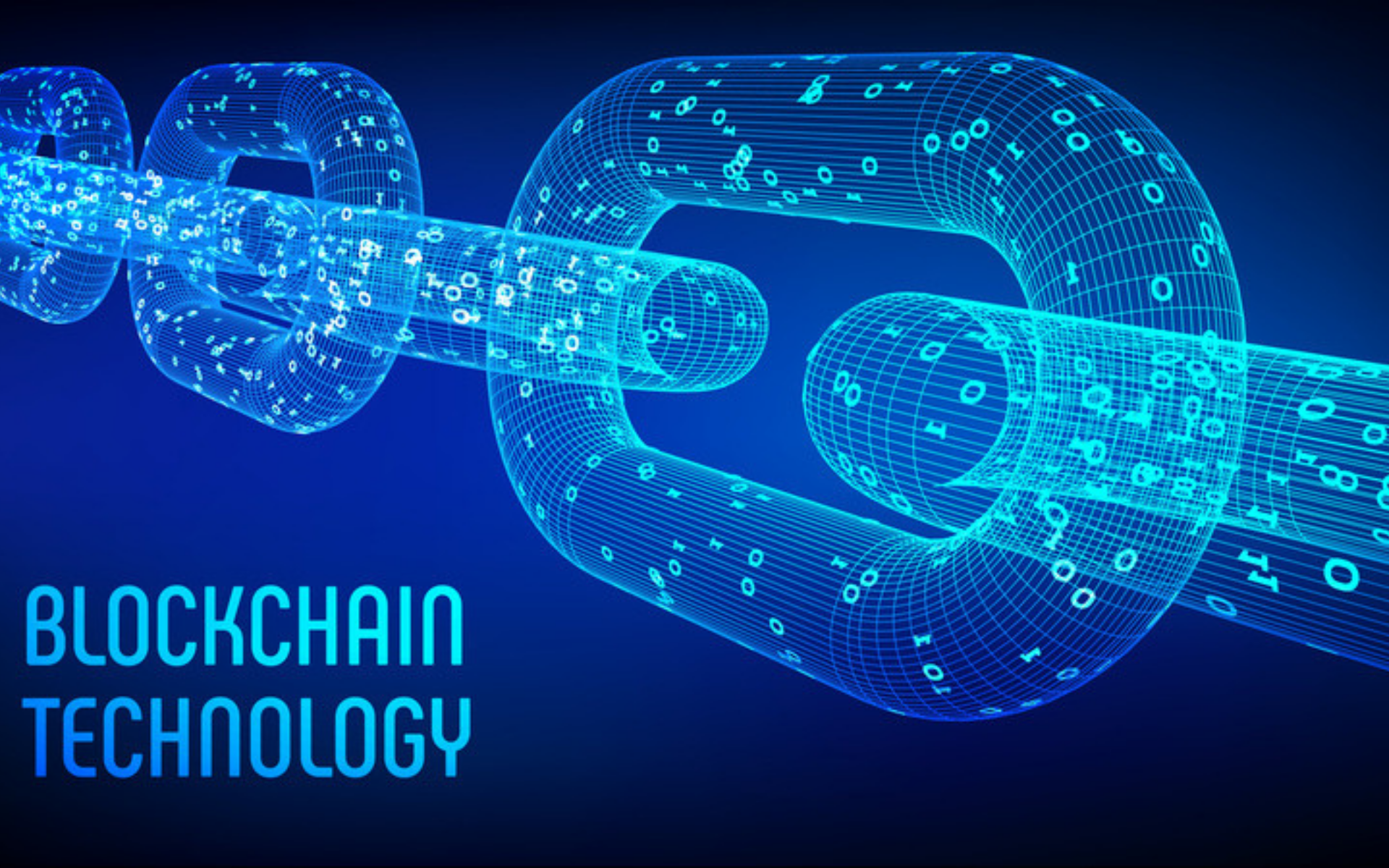
Blockchain is a digital, decentralized ledger database that records and stores all transactions between users on a given network. Transaction records (or ‘blocks’) are timestamped and cryptographically secured, locking them in a linear, chronological order. This provides a transparent, immutable collection of every record, safeguarded against tampering.

With blockchain, leaders at Lenovo aim to improve visibility and efficiency, drive revenue growth, and ultimately transform their supply chain from a cost center into a profit center.

“We already have best-in-class systems and processes in place, and have been recognized by Gartner as an industry leader in supply chain excellence,” said Bobby Bernard, Global Procurement and Supply Chain Executive for Lenovo’s Data Center Group. “But we’re always looking for ways to optimize operations even further, and blockchain stood out as the ideal way to increase visibility and transparency across the supply chain.”

Vishnu Kotipalli, Lenovo’s Global Supply Chain Strategist, also saw a clear advantage in using blockchain: “It’s the ideal platform for recording supply chain transactions, as it makes it much easier to track and audit the movement of goods,” he said.

Blockchain Increases Transparency and Efficiency in Inventory Procurement

Inventory procurement was a logical place to test blockchain as a proof of concept. Previously, Lenovo used paper to exchange purchase orders and invoices with original equipment manufacturing partners. Bernard saw a huge downside in this process: “It’s a lot of paperwork, which inevitably leads to inconsistencies due to human error, forms lost in the shuffle and so on,” he said. “We want to put this entire process onto the blockchain to make it completely transparent. So rather than sending paper or electronic documents back and forth, everyone will be able to exchange information securely via a blockchain platform. And there can be no question of when a supplier submitted an invoice, for example, as the transaction record is there for everybody to see.”

Moving the procurement process to blockchain also saves a tremendous amount of time. What used to take weeks and even months with the exchange of paperwork now takes only days or hours on the blockchain platform.

Passing Successful Blockchain Solutions on to Customers

Building upon this success, Lenovo plans to implement blockchain technology in other areas of its supply chain, including asset management, supplier onboarding, business partner compliance, software royalty management and tracing the origin of minerals and metals used in production. And ultimately, the company plans to offer blockchain-based supply chain solutions as services to its customers.

Having experienced the benefits of blockchain firsthand, Bernard is excited to help customers institute this emerging technology in their operations as well: “We know from our own experience how powerful a tool blockchain is and the potential it has to transform supply chain operations for the better – now we want our customers to realize that power too,” he said.

Source: https://www.lenovoxperience.com/newsDetail/283yi044hzgcdv7snkrmmx9ozz3uz94crynr4kxte3ddq5ye

FOR A FREE CONSULTATION, PLEASE FILL THIS FORM TO CONTACT US.

Multi-Cloud Deployment Planning

Multi-Cloud Deployment Planning

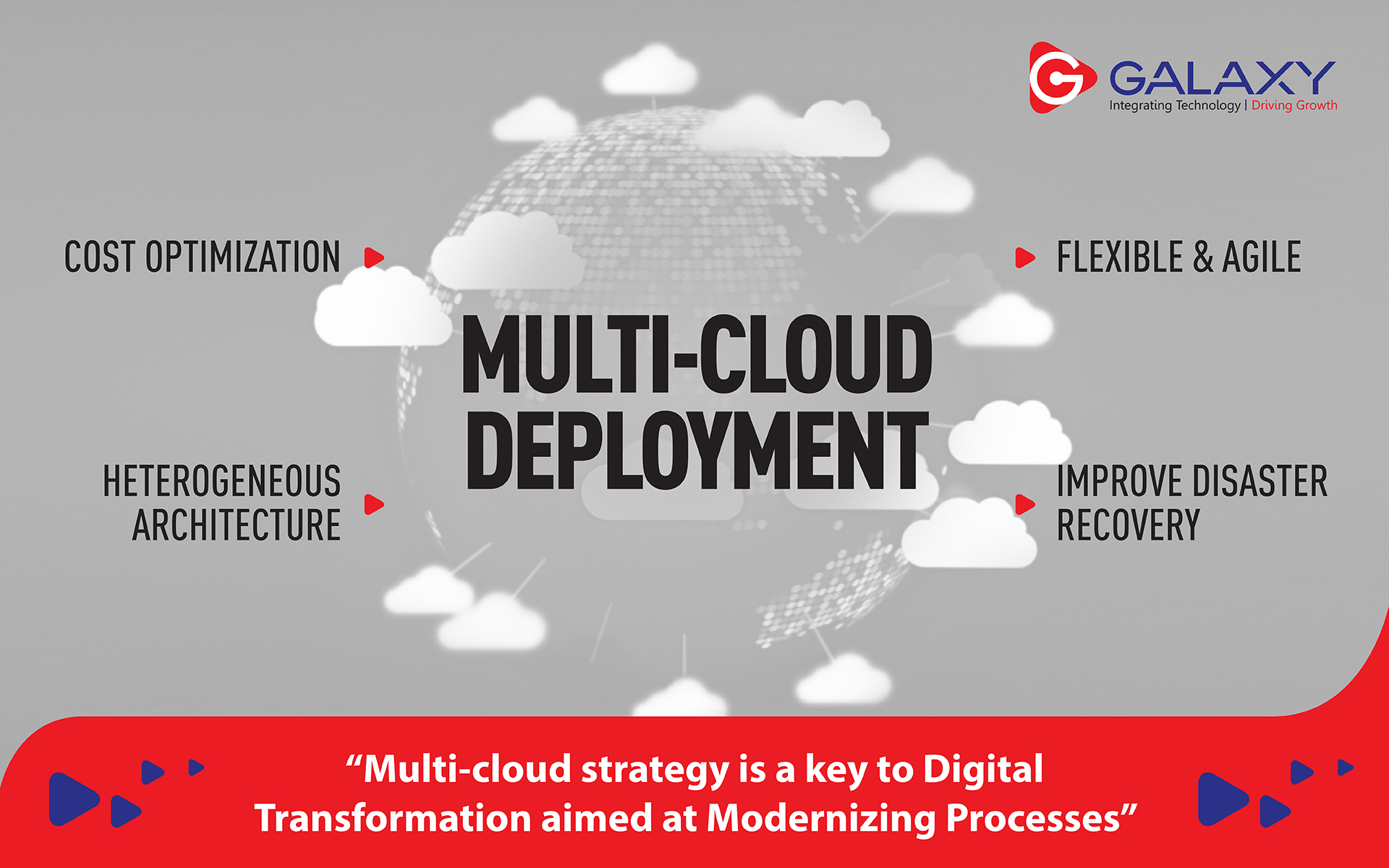
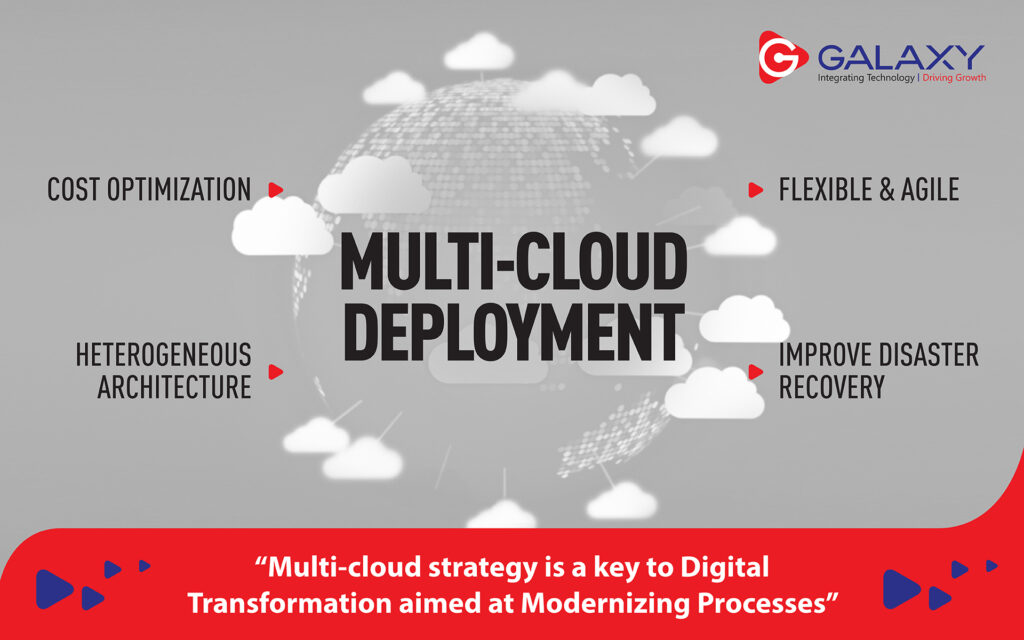
MULTI-CLOUD STRATEGY IS A KEY TO DIGITAL TRANSFORMATION AIMED AT MODERNIZING PROCESSES

Deploying a multi-cloud strategy can lead to substantial benefits, while avoiding vendor lock-in. Here’s how you can do it right. For a growing number of enterprises, a migration to the cloud is not a simple matter of deploying an application or two onto Amazon Web Services, Microsoft Azure, or some other hosted service. It’s a multi-cloud strategy that’s a key part of a digital transformation aimed at modernizing processes.

Benefits of Deploying a multi-cloud
1. Using multiple cloud computing services such as infrastructure-as-a-service (IaaS), platform-as-a-service (PaaS), and software-as-a-service (SaaS) in a single heterogeneous architecture offers the ability to reduce dependency on any single vendor.

2. It can also improve disaster recovery and data-loss resilience, make it easier to exploit pricing programs and consumption/loyalty promotions, help companies comply with data sovereignty and geopolitical barriers, and enable organizations to deliver the best available infrastructure, platform, and software services.

3. Cost optimization is a huge benefit. It’s not so much that you are spending less by going multi-cloud, but rather you can manage risk far better.

4. Flexible & Agile: Having multiple clouds “makes you more flexible and agile, allows for the adoption of best-of-breed technologies, and provides far better disaster recovery. One has the flexibility to run certain applications in a private environment, and others in a public environment, while keeping everything connected. Cloud service providers have the right skill sets to make this all happen so that customers don’t have to maintain this expertise in house.”

Like any other major IT initiative, ensuring an effective multi-cloud strategy involves having the right people and tools in place, and taking the necessary steps to keep the effort aligned with business goals. A multi-cloud deployment adds complexities that require organizations to develop a deep understanding of the services they’re buying and to perform due diligence before plunging ahead, Due diligence includes planning. Use a cloud adoption framework to provide a governing process for identifying applications, selecting cloud providers, and managing the ongoing operational tasks associated with public cloud services, educate all staff on the cloud adoption framework and the details of using selected CSPs [cloud service providers] architecture, services, and tools available to assist in the deployment. Moving to a multi-cloud environment might present risks that were not present in current applications and systems, check for new risks and identify any new security controls needed to mitigate these risks, Use CSP-provided tools to check for proper and secure usage of services. A company’s infrastructure should be treated as source code and change control procedures should be enforced. Procedures will need to address differences in CSPs implementations. Decommissioning of services is also part of due diligence. The most important part of any application or system to the organization is the data stored and processed within. Therefore, it is critical to understand how the data can be extracted from one CSP and moved to another. When relying on multiple cloud services to deliver business applications to customers and internal users, having strong integration between services is vital. Put the right APIs [applications programming interfaces] in place so that systems can work together to create a seamless user experience, with no lags or delays in service.

Manage access and protect data:
Using multiple cloud services, including a mix of public and private clouds, presents a host of security challenges. A key to ensuring strong security is identifying and authenticating users. Use multifactor authentication across the multiple CSPs to reduce the risk of credential compromise.

Organizations should also assign user access rights. That includes creating a collection of roles to fill both shared and user-specific responsibilities across the multiple clouds, Companies will need to investigate the differences in how role-based access control could be implemented with selected CSPs. Another good practice is to create and enforce resource access policies. CSPs over various types of storage services, such as virtual disks and content delivery services. Each of these might have unique access policies that must be assigned to protect the data they store. Protecting data from unauthorized access is vital. This can be achieved by encrypting data at rest to protect it from disclosure due to unauthorized access across all CSPs. Companies need to properly manage the associated encryption keys to ensure effective encryption and the ability to operate across CSPs. It’s also important to ensure that each CSPs data backup and recovery process meets your organization’s needs, Companies might need to augment CSPs processes with additional backup and recovery. Keep an eye on cost: One of the biggest selling points of the cloud is that it can help organizations reduce costs through more efficient use of computing resources. Services are paid for on an on-demand basis, and the cost of buying and maintaining numerous servers is eliminated.

Nevertheless, in a multi-cloud environment it’s easy to lose track of costs that can then get out of control. Carefully consider the cost of managing multi-cloud environments, including human capital costs associated with maintaining multi-cloud competencies and expertise, as well as costs associated with administrative control, integration, performance design, and the sometimes-difficult task of isolating and mitigating issues and defects.

However, leveraging service provider-specific capabilities can lead to Vendor Lock -in, so consider the value and commitment of these choices. Not all applications and compute needs are created equally, and as such, it’s not possible to pick a single cloud platform or strategy that meets all your needs. In general, a multi-cloud strategy provides flexibility and leverage. Having multiple [providers] enables you to not be locked into any one, gives you the benefit of innovation and price negotiation. “To fully realize the benefits of multi-cloud, such as workload portability, you must consider your architecture. For example, deploying applications via containers allows for portability.

Blog Credit – Mukesh Choithani – AVP – DataCenter, Galaxy Office Automation Pvt Ltd

FOR A FREE CONSULTATION, PLEASE FILL THIS FORM TO CONTACT US.

Enterprise-Grade Kubernetes To The Data Center

Enterprise-Grade Kubernetes To The Data Center

LENOVO AND GOOGLE: BRINGING ENTERPRISE-GRADE KUBERNETES TO THE DATA CENTER

Organizations have always considered time-to-market for their applications as a key success metric for their business. Every industry is aiming to accelerate and simplify application deployments, and containers have emerged as the fastest way to achieve this. Containers help developers package code and dependencies into a single object, enabling a build-once-and-run-anywhere approach, rather than spending precious cycles troubleshooting and trying to tailor software to each environment. Using containers not only helps accelerate application deployment, but also helps create a predictable and reliable strategy for bringing your applications to market. However, the buck doesn’t stop here. Similar to how an orchestration layer is needed for applications running on virtual machines, software is needed to deploy, manage and maintain your containerized applications. Kubernetes has become the de facto standard in the past couple of years to help manage containerized workloads.

After using containers to run internal workloads like Search, Gmail, Maps  and YouTube, Google open-sourced the Kubernetes project to enable customers to run their containerized workloads in production reliably. Google Cloud’s Anthos allows users to run their containerized applications without spending time on building, managing and operating Kubernetes clusters. Recent surveys show that nearly two-thirds of IT departments need an enterprise-grade Kubernetes deployment on-prem. Organizations want to avoid any heavy lifting involved in operating Kubernetes clusters, and are looking to get the same public-cloud like experience in their own data centers.

As recently announced at Google’s Next ’19, Lenovo, working with Google, has validated Google Cloud’s Anthos on Lenovo’s ThinkAgile Platform. This solution will enable Lenovo customers to get a consistent Kubernetes experience between Google Cloud and their on-premises environments. Users will be able to manage their Kubernetes clusters and enforce policy consistently across environments – either in the public cloud or on-premises. In addition, Anthos delivers a fully-integrated stack of hardened components, including OS and container runtimes that are tested and validated by Google, so customers can upgrade their clusters with confidence and minimize downtime.

This collaboration further strengthens Lenovo’s ability to be a complete on-premises and hybrid-cloud solution provider, including hybrid cloud deployments with Google Cloud. Google’s leadership in the open source ecosystem with projects like Kubernetes and Istio is helping bring the cloud-native ecosystem to Lenovo’s proven data center capabilities. Our goal is to enable agility for development and operations teams while reducing risk for customers’ most critical hybrid cloud workloads.

Source: https://www.lenovoxperience.com/newsDetail/283yi044hzgcdv7snkrmmx9ovwkeqasgj9ez69uwpslt01yb

FOR A FREE CONSULTATION, PLEASE FILL THIS FORM TO CONTACT US.